
 Add to favorites
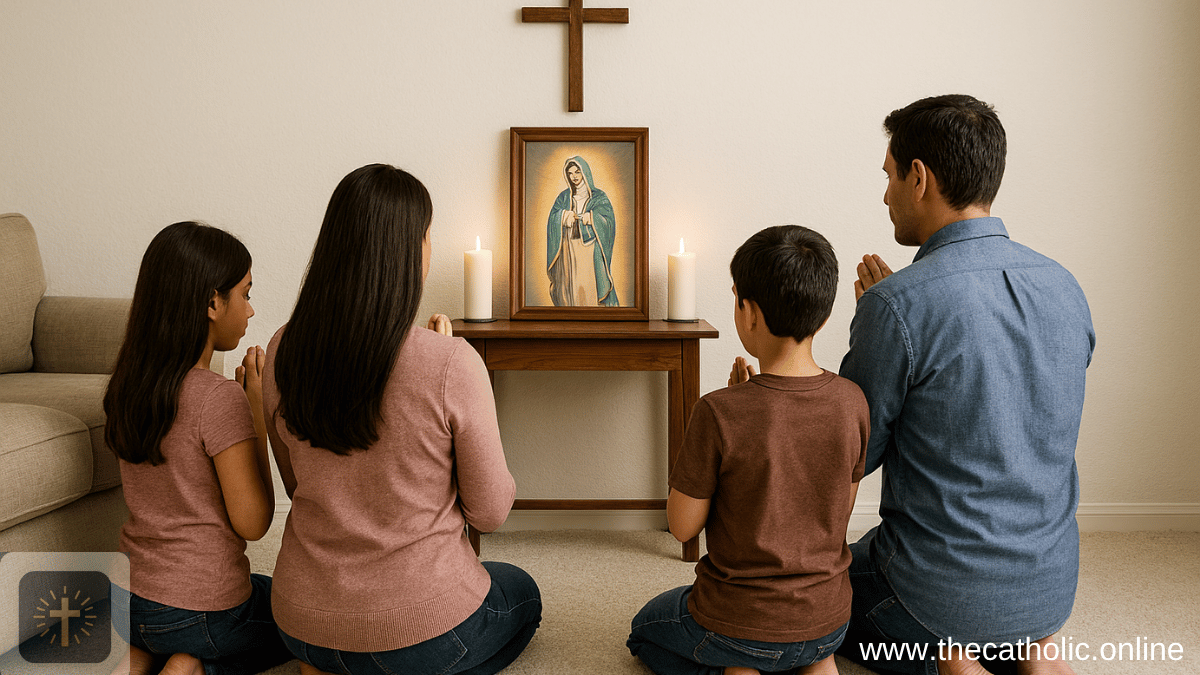
Praying together as a family draws God into daily life, heals relationships, and trains children in a lifelong habit of dependence on Him. Below are six compelling reasons to make family prayer a regular practice, each grounded in Scripture and practical application.
Introduction
Family life is busy, noisy, and full of competing priorities. Yet the simple discipline of praying together can re-center a household around God, shape character, and create a spiritual rhythm that outlasts seasons and circumstances. Prayer is more than a ritual; it is a relational practice that invites God into the ordinary details of life. The reasons below explain why gathering to pray as a family is both spiritually powerful and practically transformative.
Praying Together Recognizes God’s Role in the Family
Why it matters:
When a family prays together, it publicly and privately acknowledges that God is the head of the home. This is not merely a statement of belief but a daily posture that shapes decisions, priorities, and the moral atmosphere of the household. Declaring God’s lordship helps family members orient their lives around eternal values rather than fleeting trends.
Scripture:
“And Joshua said unto all the people, Thus saith the LORD God of Israel, Your fathers dwelt on the other side of the flood… And if it seem evil unto you to serve the LORD, choose you this day whom ye will serve; but as for me and my house, we will serve the LORD.” — Joshua 24:2,15 KJV
Practical application:
Begin family gatherings with a short declaration of dependence on God. Use simple phrases children can repeat, such as “We choose to serve God together.” Let prayer be the first response to decisions—big and small—so that the family habitually seeks God’s wisdom.
Praying Together Softens Hearts and Helps Settle Disputes
Why it matters:
Conflict is inevitable in close relationships. Family prayer creates a space where pride is exposed, humility is cultivated, and forgiveness becomes possible. When family members pray together, they invite the Spirit to work on stubborn hearts, to convict where needed, and to replace anger with compassion.
Scripture:
“For where two or three are gathered together in my name, there am I in the midst of them.” — Matthew 18:19–20 KJV
“Confess your faults one to another, and pray one for another, that ye may be healed. The effectual fervent prayer of a righteous man availeth much.” — James 5:16 KJV
Practical application:
After a disagreement, pause and pray together before trying to resolve every detail. Invite each person to speak a short prayer of confession or request for help. Over time, this practice trains family members to approach conflict with humility and to seek reconciliation as a spiritual priority.
Praying Together Reveals If Family Members Are Hurting or Happy
Why it matters:
Regular prayer time becomes a thermometer for the family’s emotional and spiritual health. When people pray aloud and share requests, hidden hurts surface and joys are celebrated. This transparency enables timely care, prevents isolation, and strengthens mutual support.
Scripture:
“Rejoice with them that do rejoice, and weep with them that weep.” — Romans 12:15 KJV
“Bear ye one another’s burdens, and so fulfil the law of Christ.” — Galatians 6:2 KJV
Practical application:
Make space in family prayer for both thanksgiving and lament. Encourage short, honest updates: one sentence of thanks, one sentence of need. Keep a family prayer list and review it weekly so that requests are remembered and acted upon. When a need is raised, follow up with practical help—visits, meals, or a listening ear—so prayer is paired with compassion.
Praying Together Instills Family Unity
Why it matters:
Unity is not automatic; it is cultivated. Shared prayer aligns hearts, clarifies priorities, and fosters a sense of “we” rather than “me.” When family members pray for the same things, they begin to move in the same direction emotionally and spiritually.
Scripture:
“Endeavouring to keep the unity of the Spirit in the bond of peace.” — Ephesians 4:3 KJV
“And above all these things put on charity, which is the bond of perfectness.” — Colossians 3:14 KJV
Practical application:
Use family prayer to set shared goals—spiritual, relational, and practical. Pray for one another’s roles and responsibilities, for family decisions, and for unity in difficult seasons. Celebrate answered prayers together so the family learns to remember God’s faithfulness as a collective story.
Praying Together Is a Spiritual Discipline
Why it matters:
Prayer is a discipline that shapes character and cultivates dependence on God. Practicing prayer together trains family members to be persistent, patient, and attentive to God’s voice. Over time, the discipline of communal prayer becomes a spiritual muscle that strengthens individual devotion as well.
Scripture:
“Pray without ceasing.” — 1 Thessalonians 5:17 KJV
“And he spake a parable unto them to this end, that men ought always to pray, and not to faint.” — Luke 18:1 KJV
Practical application:
Treat family prayer like any other discipline: set a regular time, keep it brief and focused, and be consistent. Start small—five minutes a day—and build. Use short Scripture readings, a simple liturgy, or a rotating leader to keep the practice sustainable. Teach children that prayer is a habit, not just an emergency response.
Praying Together Sets an Example for a Lifetime of Prayer
Why it matters:
Children learn faith primarily by watching their parents. When parents pray with their children, they model a posture of dependence, honesty, and worship. This lived example is one of the most effective ways to pass faith to the next generation.
Scripture:
“And these words, which I command thee this day, shall be in thine heart: And thou shalt teach them diligently unto thy children… And thou shalt talk of them when thou sittest in thine house, and when thou walkest by the way.” — Deuteronomy 6:6–7 KJV
Practical application:
Make family prayer visible and ordinary. Pray at meals, before bed, and at transitions. Invite children to lead simple prayers and to voice their thanks and concerns. Tell stories of how God answered prayer in your life so children learn to connect prayer with God’s activity.
Practical Tips for Starting and Sustaining Family Prayer
Keep it short and simple. Begin with three to five minutes. A short structure helps children stay engaged and makes consistency possible.
Rotate leadership. Let different family members lead so everyone learns to pray aloud and to listen.
Use Scripture. Read a short verse before praying to give words and direction.
Mix formats. Alternate between thanksgiving, intercession, confession, and listening. Use songs, silence, or a short devotional occasionally.
Listen and act. When needs surface, follow through with practical help. Prayer without follow-through can feel hollow.
Create rituals. Light a candle, hold hands, or use a prayer jar to make the time memorable.
Record answered prayers. Keep a family journal of prayers and answers to build faith and gratitude.
Be patient and flexible. Some nights will be rushed; others will be long. The goal is faithfulness, not perfection.
Common Objections and How to Respond
“We don’t have time.” Start with two minutes. Consistency matters more than length.
“My kids won’t sit still.” Use movement-friendly prayers, short songs, or a prayer object for little hands.
“I don’t know how to pray.” Use Scripture as a guide, or pray simple sentences: praise, confession, request, and thanks.
“It feels awkward.” Keep going. Awkwardness fades as the family grows in honesty and trust.
Real-Life Benefits Families Report
Greater emotional awareness. Families notice hurts and joys earlier and respond more compassionately.
Improved conflict resolution. Prayer softens hearts and reduces defensiveness.
Stronger spiritual identity. Children who grow up in praying homes often retain a sense of God’s presence into adulthood.
Practical care. Prayer lists lead to concrete acts of service within and beyond the household.
Conclusion
Praying together as a family is a simple discipline with deep and lasting effects. It recognizes God’s rightful place in the home, softens hearts, reveals needs, builds unity, forms spiritual habits, and models faith for the next generation. The Scriptures encourage families to gather, to bear one another’s burdens, and to teach God’s ways at home. Start small, be consistent, and pair prayer with action. Tonight, gather for five minutes—give thanks, share a need, and ask God to lead your household. Over time, those small moments will shape a family that prays, loves, and lives together under God’s care.
Closing Scripture: “And above all these things put on charity, which is the bond of perfectness.” — Colossians 3:14 KJV